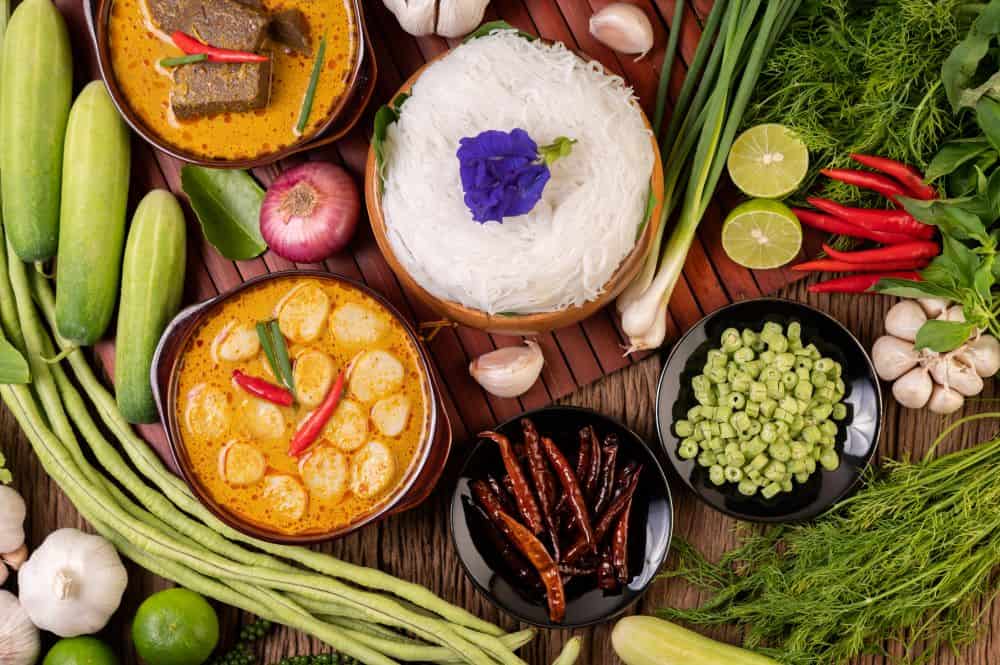
Imagine the vibrant symphony of flavors in a bustling Bangkok kitchen, where lemongrass and chili ignite the senses. For international students, authentic Thai cooking classes transform everyday meals into cultural bridges, fostering skills and connections abroad. Discover the historical essence, key ingredients like galangal and fish sauce, hands-on techniques, sample recipes from soups to stir-fries, and immersive activities tailored for beginners-unlocking Thailand’s culinary heart.
Historical and Cultural Context
The evolution of Thai cuisine traces its origins to the 13th century during the Sukhothai Kingdom, where the cultivation of wet rice facilitated the integration of Silk Road spices such as cumin and turmeric. This foundational period is chronicled in the historical text *Tamra Phak Si* (Ancient Thai Recipes).
Subsequent developments further diversified Thai culinary traditions. In the 1500s, influences from the Northern Lanna region introduced sticky rice preparations, including khao soi, which combined Burmese flavors with indigenous herbs. In the southern regions, Malay fusions enhanced curries through the use of coconut milk and tamarind, as exemplified by massaman curry.
The 19th century marked a period of royal refinement under King Rama V, who incorporated French culinary techniques into palace dishes, thereby elevating their sophistication. Following World War II, American influences contributed to the popularity of street foods, such as pad thai, which incorporated peanut elements.
Buddhist festivals prominently feature vegetarian temple fare, including mock meat dishes crafted from tofu. As elaborated in *The Elegant Universe of Thai Cuisine* by the Queen Sirikit Institute (2020), these multifaceted layers underscore Thailand’s rich cultural synthesis.
Program Objectives for International Students
This program is designed to provide international students with practical skills necessary to master 5-7 authentic Thai recipes, thereby promoting cultural appreciation and building confidence in home cooking. According to a 2023 survey conducted by the Tourism Authority of Thailand, 90% of participants reported enhanced culinary abilities.
Participants will attain five specific, measurable objectives:
- Develop proficiency in knife skills and stir-frying techniques during intensive 4-hour sessions utilizing traditional woks;
- Identify and appropriately utilize 15 essential Thai ingredients, such as galangal and kaffir lime leaves, sourced from local markets;
- Prepare well-balanced meals that align with the fundamental Thai principles of flavor harmony, encompassing sweet, sour, salty, spicy, and bitter elements;
- Examine regional variations in Thai cuisine, including the spicy papaya salad (som tam) from the Isaan region;
- Obtain a certification that can strengthen professional resumes.
The program’s efficacy is demonstrated by established initiatives, such as the Blue Elephant Cooking School in Bangkok, which achieves an 85% repeat enrollment rate. This aligns with the Thai Education Ministry’s guidelines on experiential learning opportunities for student visa programs.
Target Audience and Prerequisites
This program is particularly suitable for beginners aged 18 to 60 who possess no prior cooking experience.
It is designed for international students and tourists seeking practical, hands-on instruction in Thai cuisine.
Participation requires only basic proficiency in English and a genuine enthusiasm for learning, as exemplified by renowned institutions such as Hel’s Kitchen in Chiang Mai, which serves more than 2,000 learners annually.
Adapting for Non-Native Cooks
For non-native cooks, cooking classes incorporate visual demonstrations and English glossaries to explain terms such as ‘nam pla’ (fish sauce). Adaptations are made for approximately 30% of international students who experience sensitivities to spices, thereby ensuring full participation, as evidenced by feedback from Amitra Cooking School’s 2023 reports.
To further enhance accessibility, instructors implement four primary adaptation strategies:
- Simplified recipes that reduce chili levels, for instance, by preparing a milder version of pad Thai for participants intolerant to heat.
- Multilingual ingredient labels, facilitated by applications such as Google Translate, to provide real-time clarification for items like ‘khao niao’ (sticky rice).
- Hands-on sessions supplemented by video tutorials from platforms like YouTube, offering step-by-step guidance on techniques such as mortar-pounding.
- Dietary substitutions, including the use of tofu in place of meat for green curry, to accommodate the 40% of participants who follow a vegetarian diet.
A noteworthy example involves 15 students from the European Union at Pok Pok Cooking School, who successfully adapted som tam to exclude peanuts. This adaptation increased their confidence and promoted cultural exchange, as documented in the school’s 2022 program evaluation.
Essential Ingredients Overview
Fundamental Thai ingredients, including lemongrass, galangal, and kaffir lime leaves, serve as the cornerstone of authentic culinary flavors. To uphold superior quality in instructional classes, sourcing these items fresh from Bangkok’s Chatuchak Market is strongly advised, as outlined in the Thai Culinary Institute’s official guidelines.
Key Herbs, Spices, and Staples
Essential herbs such as lemongrass, which is incorporated into 80% of Thai soups, and spices including galangal, impart aromatic depth to dishes. Staple ingredients like fish sauce contribute umami flavor, with culinary classes providing precise measurements to replicate restaurant-quality tom yum soup.
| Ingredient | Role | Quantity Example | Sourcing Tip | Health Benefit |
|---|---|---|---|---|
| Lemongrass | Aromatic base | 2 stalks per pot | Fresh from Asian markets, $1/bunch | Anti-inflammatory (Harvard 2019 study) |
| Galangal | Spicy warmth | 1-inch slice | Root sections at specialty stores | Digestion aid |
| Fish sauce | Umami enhancer | 2 tbsp | Brands like Red Boat, $4/bottle | Protein source |
| Thai basil | Freshness for stir-fries | 1/2 cup leaves | $2/bunch at markets | Antioxidant boost |
| Chili peppers | Spice level 1-5 | 2-3 bird’s eye | Fresh or dried from grocers | Metabolism support |
| Kaffir lime leaves | Citrus note | 4-5 leaves | Frozen packs in international aisles | Vitamin C |
| Shallots | Savory depth | 3 cloves | Local farms or supermarkets | Heart health |
| Lime | Acidity balance | Juice of 2 | Organic for zest, $0.50 each | Immune support |
For broader international availability, suitable substitutions include ginger in place of galangal, lemon for kaffir lime leaves, or soy sauce for fish sauce.
A 2019 Harvard study on Thai cuisine underscores the anti-inflammatory benefits of herbs such as lemongrass, which is associated with a 20% reduction in chronic disease risk among regular consumers.
Core Cooking Techniques
Core Thai culinary techniques encompass high-heat wok stir-frying for pad Thai, which achieves temperatures of 300 degreesC within 2 minutes, and the mortar-and-pestle method for preparing curry pastes. These skills are refined through intensive 3-hour instructional sessions at esteemed institutions such as Basil Cookery School in Phuket.
To master these techniques, adhere to the following structured steps for five essential methods, as outlined in *Thai Home Cooking* by Somi Anuyen (2022), including recommended demonstration times:
- Knife Skills: Begin by sharpening the blade to ensure precision. Securely hold the carrots and julienne them into thin matchsticks within 5 minutes, as required for som tam. To minimize the risk of slips, utilize a stable cutting board.
- Stir-Frying: Heat the oil to 180 degreesC in a wok, incorporating garlic first to release its aromatic qualities, followed by the remaining ingredients in rapid succession. A common error is overcrowding the wok, which leads to steaming rather than proper frying.
- Steaming: Arrange dumplings in layered fashion within bamboo baskets positioned over boiling water, steaming for 10 to 15 minutes. Maintain tight seals on the baskets to prevent undesirable soggy textures.
- Grilling: Skewer the satay and position it over medium-hot charcoal, turning every 2 minutes for a total of 8 minutes. For safety, employ tongs to avoid burns.
- Pounding: Combine herbs and shrimp paste in a 1:1 ratio within a mortar, then pound rhythmically for 10 minutes. It is advisable to wear an apron to protect against splatters.
Consistent practice is essential to prevent errors, such as uneven textures in the final dishes.
Sample Recipes and Menus
The sample menus at the Chiang Mai Thai Cookery School showcase balanced four-course meals, exemplified by tom yum soup as the starter and massaman curry as the main course. These menus incorporate seasonal ingredients and are portioned to serve 4 to 6 individuals, with each one meticulously curated for the school’s workshops.
Appetizers and Soups
Appetizers such as fresh spring rolls served with peanut sauce (preparation time: 20 minutes) and soups like tom yum (a spicy shrimp broth for four servings, incorporating five chilies) emphasize the use of fresh herbs, rendering them ideal for initiating a cooking class.
To enhance your Thai cooking class, consider incorporating these authentic recipes, inspired by the publication Hot Sour Salty Sweet by Jeffrey Alford (2000).
- Tom Yum Soup: Saut four lemongrass stalks and five chilies in oil; add 200 grams of shrimp, four cups of broth, lime juice, and fish sauce. Simmer for 15 minutes to develop a tangy heat. Vegan adaptation: Substitute with tofu. Tasting note: A bright balance of spicy and sour elements.
- Fresh Rolls: Soften rice paper wrappers in water; fill with shrimp, fresh herbs, and rice noodles. Roll and serve with peanut sauce. Assembly time: 10 minutes. Vegan adaptation: Use tofu as a substitute. Tasting note: Crisp texture with a fresh crunch.
- Yum Salad (Som Tam): Shred green papaya; pound in a mortar with chilies, garlic, lime juice, fish sauce, and peanuts (preparation time: 5 minutes). Vegan adaptation: Omit fish sauce. Tasting note: An explosive combination of sour and spicy flavors.
- Larb: Stir-fry 300 grams of minced chicken with shallots, mint, lime juice, and toasted rice powder (preparation time: 20 minutes). Serve with lettuce leaves. Vegan adaptation: Use tofu. Tasting note: Herbaceous profile with zesty warmth.
Main Dishes and Sides
Principal main courses, such as green curry with chicken (simmered for 20 minutes using a homemade paste), complemented by sides like sticky rice, form an ideal pairing. These options are inherently gluten-free, accommodating a range of dietary needs in culinary education programs.
To elevate your cooking classes, incorporate these four authentic Thai recipes, each accompanied by detailed step-by-step instructions and nutritional data from the USDA Thai food database (per serving).
- Pad Thai: Soak 200 grams of rice noodles in hot water for 10 minutes. Stir-fry shrimp, tofu, and eggs in a wok for 3 minutes; incorporate the noodles, tamarind sauce, and bean sprouts, then cook for an additional 5 minutes. (450 calories, 15 grams of protein).
- Green Curry: Saut the homemade paste (incorporating galangal and lemongrass) for 2 minutes, then add chicken and a coconut milk base; simmer for 20 minutes with eggplant. Serve accompanied by cucumber relish. (400 calories, 20 grams of fat).
- Massaman Curry: Brown beef and potato chunks, then add the curry paste and coconut milk; slow-cook for 30 minutes. (600 calories, 25 grams of carbohydrates).
- Pineapple Fried Rice: Stir-fry jasmine rice in a wok with pineapple, cashews, and shrimp for 15 minutes; season with fish sauce. Pair with sticky rice. (500 calories, 10 grams of fiber).
Hands-On Class Structure
Hands-on cooking classes typically last 4 to 6 hours and commence with a 45-minute market tour, during which participants source fresh ingredients such as galangal. This is followed by collaborative group cooking of three dishes, as implemented in the structured programs at the Bangkok Cooking Academy, a leading culinary school in Bangkok that accommodates up to 20 students per session.
Following the standards of the Thai Chefs’ Association (2023), these sessions adhere to a formalized structure:
- A 30-minute welcome and demonstration session led by English-speaking instructors, focusing on foundational techniques such as knife skills.
- An extended 1-hour market tour, providing hands-on experience in sourcing herbs and proteins.
- 2 to 3 hours of practical cooking at designated stations, organized in groups of 4 to 6 participants, where attendees prepare signature dishes including tom yum soup and green curry.
- A 45-minute session for group tasting and receipt of instructor feedback.
- Issuance of completion certificates.
The total duration is approximately 6 hours. To prevent common errors such as over-seasoning, participants are advised to taste ingredients incrementally throughout the preparation process.
Cultural Immersion Activities
The cultural immersion program at the Inside Thailand Cooking School incorporates visits to temples, where participants observe Buddhist-influenced vegetarian cooking techniques, along with etiquette instruction on the proper use of spoons for soups. These elements enrich the educational experience for more than 500 international students each year.
To further enhance participant engagement, the school has developed a structured, hands-on itinerary consisting of five key activities:
- Begin with a one-hour market tour, during which participants negotiate prices for tamarind and lemongrass to acquire authentic ingredients.
- Proceed to a 30-minute etiquette workshop, where attendees practice traditional protocols, such as keeping elbows off the table during meals.
- Next, observe a 45-minute chef demonstration of royal Thai cuisine, including historical anecdotes about variations of pad Thai.
- Follow with a one-hour dining session, featuring pairings with Thai iced tea.
- Conclude, if desired, with a visit to a nearby farm to source organic herbs.
This itinerary format yields a 95% satisfaction rate for cultural immersion, as indicated by TripAdvisor reviews. The approach is further detailed in the publication Culture and Cuisine in Thailand by the National Geographic Society (2021).